
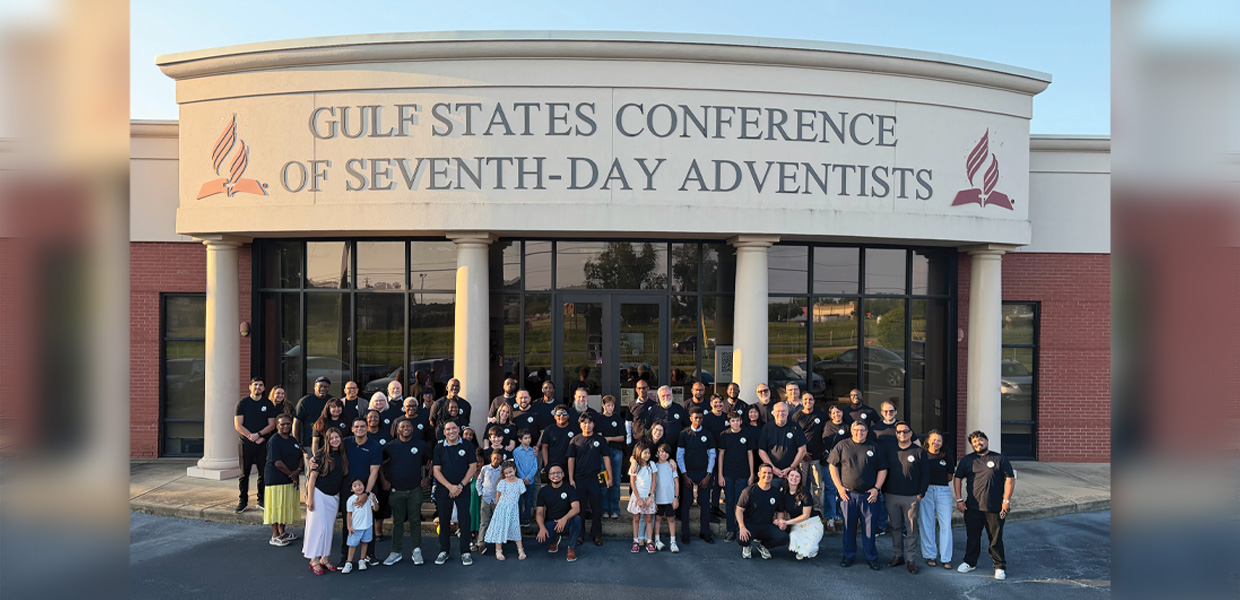
Pastors, communication leaders, and ministry volunteers gathered August 22-23, 2026, at the Gulf States Conference office in Montgomery, Ala., for Adventist Digital Evangelism Training (ADET), a two-day event designed to help churches use digital media more intentionally to reach people for Christ.
Organized by the Gulf States Conference Communication Department, ADET combined spiritual emphasis with practical instruction. The training addressed a growing ministry reality: Social media, video, websites, and other digital platforms are often the first places people encounter a church, hear a biblical message, or begin searching for spiritual answers.
Rather than treating technology as the center of ministry, presenters encouraged participants to view digital communication as another avenue through which the Church can build relationships, meet needs, and proclaim the Gospel.
Brian Danese, Conference president, opened the event by emphasizing the Church’s mission and the importance of using every available method to connect people with Jesus. Throughout the weekend, presenters explored subjects including social media, storytelling, branding, online engagement, media production, and the development of practical digital ministry strategies.
Guest presenters included Jochy Jamel, Adventist Connect pastor for digital media; Art Brondo, North American Division (NAD) media producer; Neat Randriamialison, NAD professional services director; Ruben Casabona, Lake Union Conference associate communication director; Henrique Gomes, Carolina Conference associate communication director; Christopher Feldmann, Southern Nuclear electronic media specialist; Bryant Taylor, D.Min., Southern Union Conference communication director; Evelyn Tomkelski, Conference digital church creative coordinator; Edwin Quijada, pastor; and Christian Espejo, webmaster.
The variety of presenters reflected the broad nature of digital evangelism. Effective online ministry requires more than posting announcements or purchasing new equipment. It involves understanding an audience, communicating a clear message, creating meaningful content, and intentionally guiding people from online interaction toward a relationship with Christ and His Church.
ADET was structured as a practical, hands-on experience for participants at different stages of digital ministry. Whether representing a congregation with an established media team, or a local church beginning with only a smartphone and a social media account, attendees were encouraged to work with the tools and resources already available to them.
The training also emphasized the value of collaboration. Participants had opportunities to connect with others serving in communication and media ministry, exchange ideas, and learn from professionals working in church, conference, union, and division settings. These connections helped reinforce the understanding that digital evangelism is not an isolated technical responsibility, but part of the Church’s shared mission.
As communication methods continue to change, the Gospel commission remains the same. ADET 2026 challenged churches to approach the digital mission field with prayer, creativity, excellence, and purpose — recognizing that behind every screen is a person who can be reached with a message of hope.
By the conclusion of the weekend, participants left with practical strategies and renewed confidence to strengthen their churches’ digital presence. More importantly, they were reminded that digital ministry is ultimately people ministry — using today’s communication tools to share the timeless story of Jesus.
Gulf States | October 2026


Comments are closed.