
Deanette Mills
With depression, anxiety, and loneliness touching families across every generation, the Hendersonville Church recently set aside a weekend to explore a question that is becoming increasingly important: How can Christians care for both the mind and the body while growing spiritually?
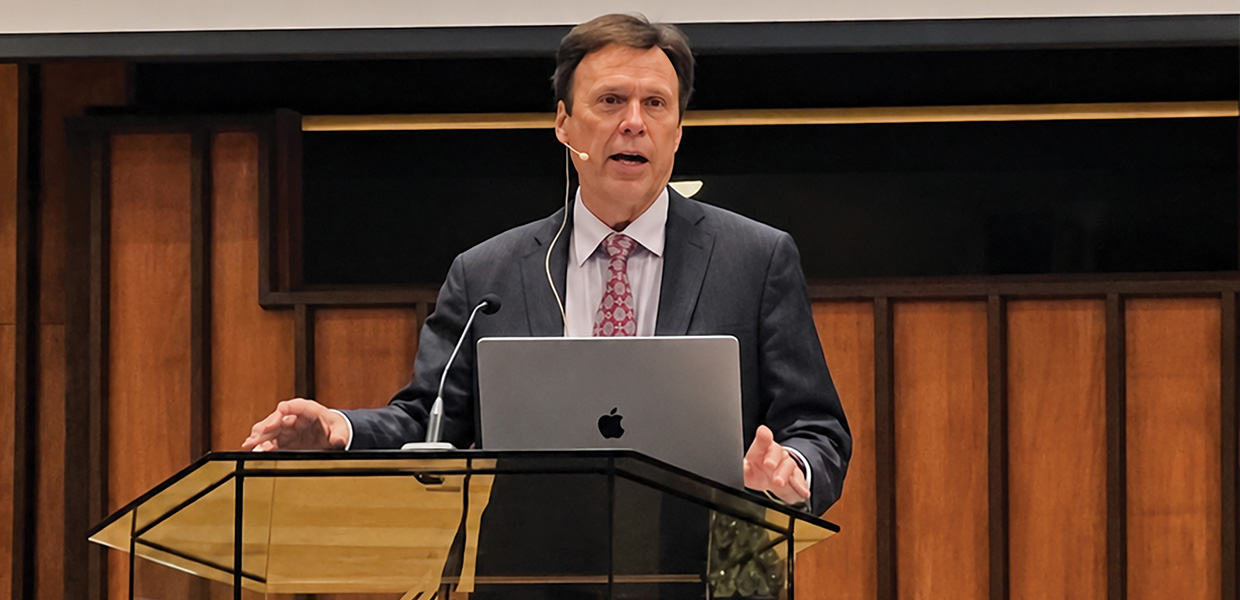
Neil Nedley, physician, author, and president of Weimar University in California, joined the Hendersonville Church, August 28-29, 2026, for a series of presentations focused on emotional intelligence, brain health, nutrition, depression, and anxiety.
The weekend was organized by the church’s health ministries team as an opportunity to provide practical, Christ-centered resources not only for church members, but for the surrounding community. Bryce Bowman, pastor, noted during the opening program that the principles being shared had the potential to strengthen relationships in the home, church, workplace, and community.
Nedley, an internal medicine physician with a background in biochemistry, has spent decades studying the relationship between physical health, lifestyle, and mental well-being. In addition to serving as president of Weimar University, he works with its residential Depression and Anxiety Recovery Program and NEWSTART lifestyle program, where multidisciplinary teams address physical, emotional, and spiritual health.
The weekend began Friday evening with “Enhance Emotional Intelligence.” Nedley addressed what he described as a growing decline in emotional well- being, particularly among younger generations. He pointed to loneliness, social isolation, and technology use as factors affecting emotional health, and challenged attendees to better understand the connection between thoughts, feelings, and behaviors.
Rather than presenting emotional intelligence as something a person simply possesses or lacks, Nedley emphasized that it can be learned and strengthened. He encouraged participants to identify unhealthy thought patterns, develop greater empathy and self-control, improve communication, and become more intentional in their relationships.
On Sabbath morning, Nedley presented “Optimize Your Brain,” combining biblical principles with research on brain function and the choices that influence it. Following a fellowship meal, the day continued with “Nutrition and the Brain,” an in-depth look at the connection between food and brain chemistry. Nedley discussed serotonin and other neurotransmitters, the role of nutrients in healthy brain function, and the ways lifestyle and nutrition can affect emotional health. He stressed that meaningful improvement often requires addressing multiple factors rather than looking for a single solution.
The weekend concluded with “What to Do About the Rapid Rise of Depression and Anxiety.” Nedley outlined common symptoms of depression and anxiety and discussed the growing prevalence of both, especially among young people. He also explored a comprehensive approach to mental health that considers thought patterns, nutrition, exercise, sleep, social connection, spiritual life, and other contributing factors.
“Underlying the amazing health principles shared by Nedley is the foundational truth that each one of us is fearfully and wonderfully made with a purpose, value than can only be fully realized when we put God first in all things,” said Bowman. “Nutrition, rest, diet, and exercise are not merely the building blocks for a longer life; they are means of honoring God and keeping ourselves fit for the work He has given each of us to do.”
Throughout the weekend, one theme continued to surface: the brain is not static. Choices matter, habits can change, and healing can involve the whole person. Nedley repeatedly returned to the idea that even deeply established patterns can change for the better.
Carolina | November 2026


Comments are closed.