
Armed with simple materials and a problem to solve, students at Osceola Adventist Christian School (OACS) in Kissimmee, Fla., traded their usual classroom routines for two hours of creativity, collaboration, and hands-on problem-solving.
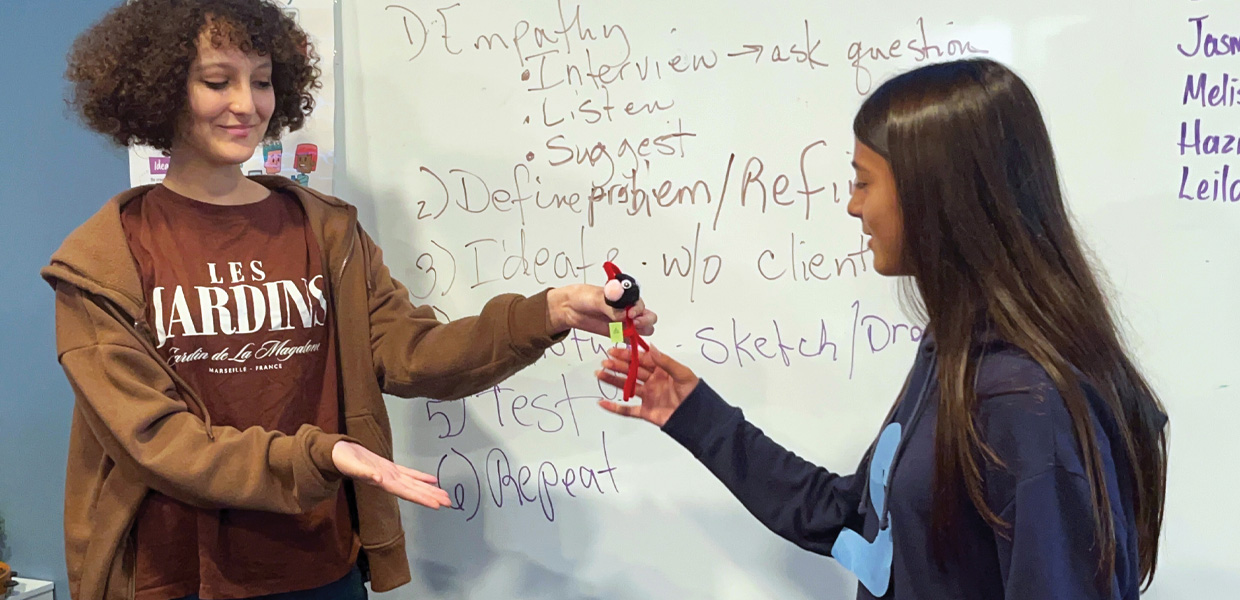
Ancil Samuel, principal, invited Betty Nugent, Ed.D., project-based learning (PBL) and special projects coordinator for the Florida Conference Office of Education, to lead a Design Thinking workshop as part of a college- and career-readiness unit. Nugent introduced Design Thinking as a human-centered approach to solving problems by understanding someone’s needs, defining the problem, exploring ideas, building a prototype, and improving it through feedback.
To bring the process to life, Nugent invited three students — Melissa, Isaac, and Dwayne — to act out a scenario. Melissa played a client with an old bicycle, while Isaac and Dwayne worked through how they might refurbish it for her. As Nugent narrated, their classmates identified the stages of Design Thinking they observed in action: Empathize, Define, Ideate, Prototype, and Test.
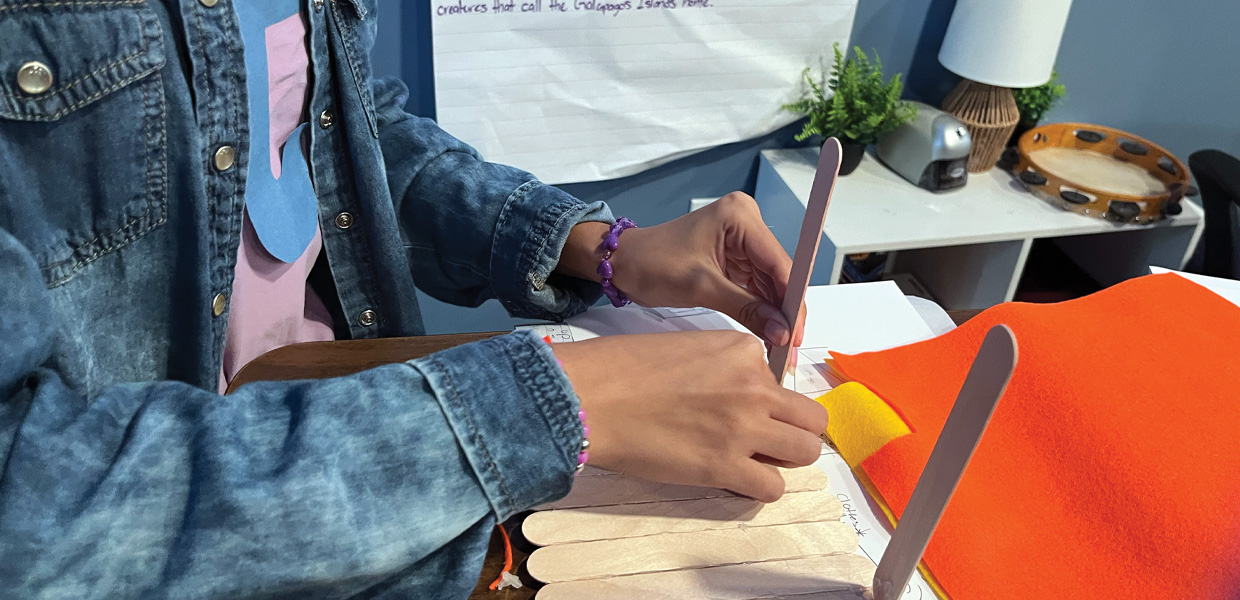
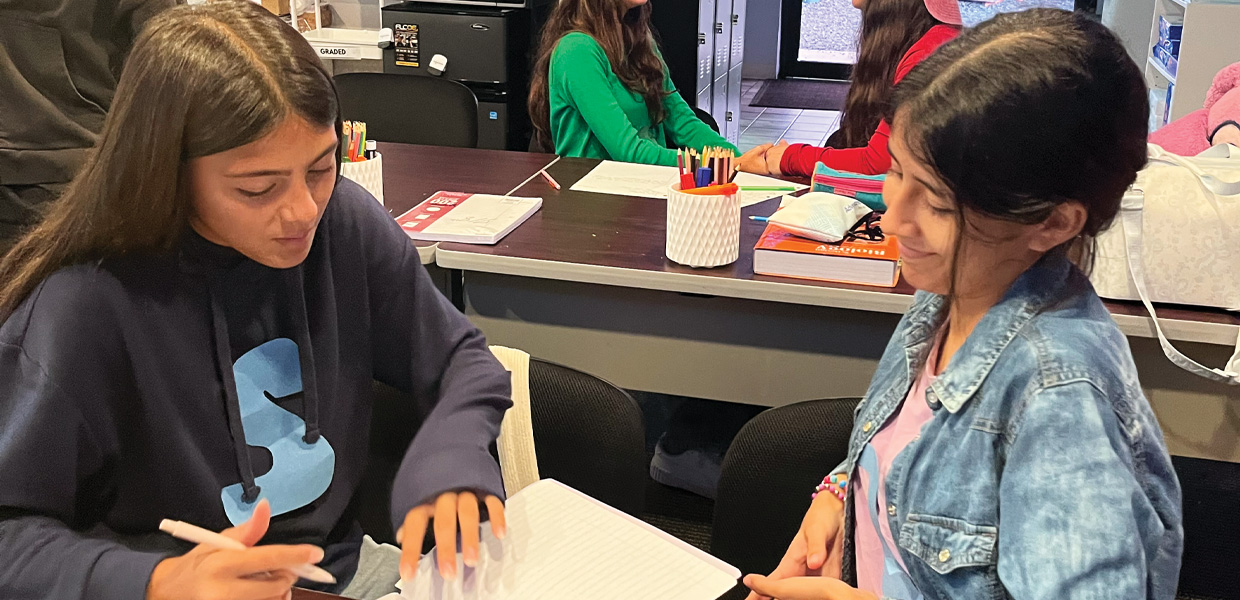
Then it was the students’ turn to become designers. Working in pairs, they interviewed one another about challenges they regularly faced at home. Each student listened and asked questions to understand the problem from their partner’s perspective. Using only the materials provided, they had 50 minutes to create a prototype representing a possible solution.
When the prototypes were ready, the students presented them to their partners and asked for feedback. They learned what worked, what didn’t, and what needed to change. Testing and revising showed them that an initial idea does not have to be perfect to be useful; it can grow stronger by listening to the person it is meant to help.
The students remained engaged with questions, conversation, building, and adjustments. They practiced empathy and communication alongside creativity, collaboration, critical thinking, and perseverance, skills they can carry into future classes, careers, or daily life.
As students shared their prototypes and responded to their partners’ feedback, Nugent watched the process she had introduced at the beginning of the workshop take shape around the room. Students were no longer identifying the steps of Design Thinking in someone else’s example. They were putting them into practice themselves.
Florida | November 2026


Comments are closed.