
Christina Norris
Christina Norris

Georgy Vega
Georgy Vega
JeNean Lendor
The dictionary defines “known” as recognized, familiar, within the scope of knowledge. So, here’s the question: What are we — Seventh-day Adventists in the Southern Union — known for?
Let’s start at the beginning. I believe we have two clear mandates as Seventh-day Adventist Christians:
• To make Jesus known to the lost. And, when I say Jesus, I mean the full message of Jesus — including the three angels’ messages.
• To make our Church known in the community. The first step in discipleship is awareness — people need to know this journey even exists. And what better way than for the local church to be the hands and feet of Jesus?
The best part of my job — and the most important — is aligning everything we do around that mission. Let me share five ways we’re putting that into action.
1. Hope Series
Twelve to fourteen times a year, we load up a U-Haul with equipment, decision cards, and everything needed to bring a full evangelistic experience to a community. We’ve been to Knoxville, Rogersville, Fletcher — small towns and large cities like Miami or Nashville alike. Everywhere we go, the goal is the same: make Jesus and His message known.
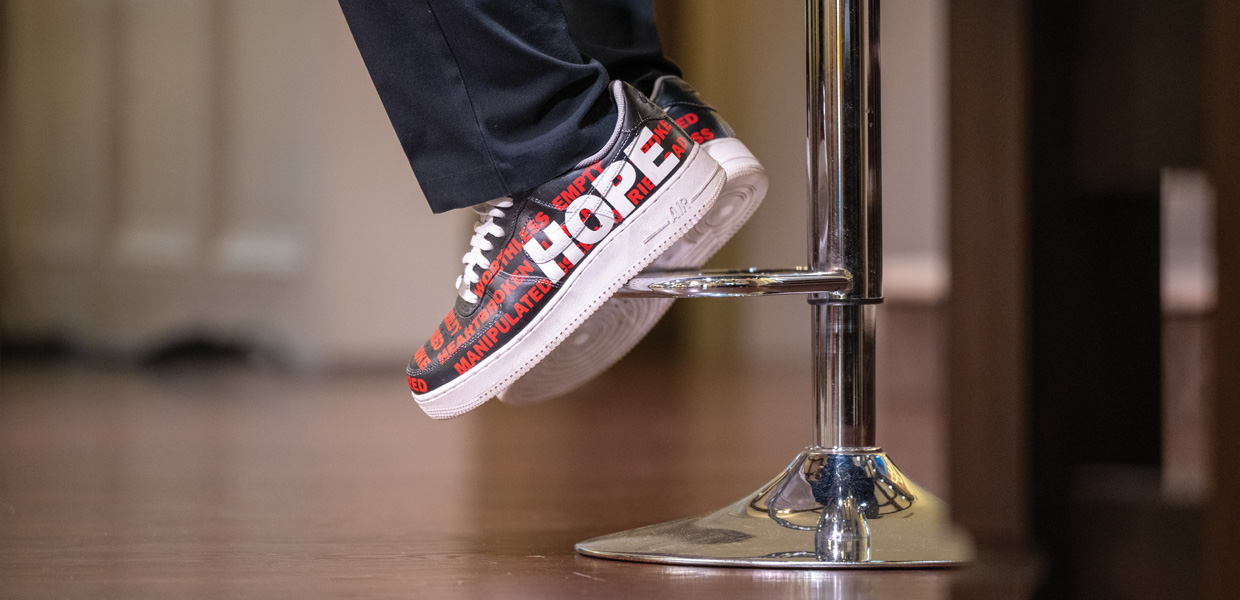
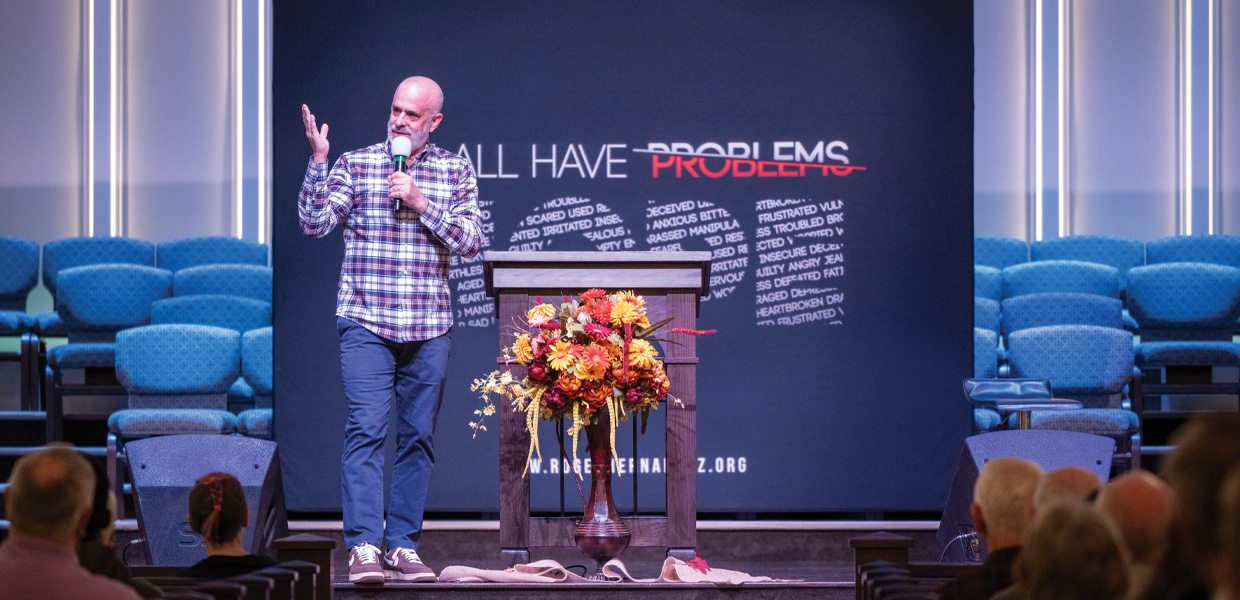
So what is the Hope Series? Simple. We all have problems. That’s life. But how we respond to those challenges shapes who we become. The Hope Series is a one-week, practical Bible experience called “We All Have Problems — HOPE.” It addresses real-life struggles and shows how God’s grace meets people right where they are. You’re not alone. And, you don’t have to figure it out alone.
Our vision:
1. Unite the body of Christ across conference lines in a shared evangelistic effort.
2. Bring churches, schools, and healthcare institutions together in mission.
3. Train members to see evangelism not as an event — but as a lifestyle.
And none of this happens by accident. Every series is preceded by nine months of intentional preparation.
I’ve seen what God does through this. A woman once walked in deeply involved in Wicca — and walked out, surrendered to Christ, turning in everything and choosing baptism. A father in rural Carolina, with one leg, faithfully wheeled himself — and his seven children — to church every night. By the end of the week, he and his children were baptized. A man who had attended church for years finally made his decision for Christ. That’s why we do this.
2. Compassion Giveaways
The Bible says Jesus “went around doing good.” If we want to be known, we have to be present in people’s real, everyday struggles.
Every night of the series, we host what we call Compassion Giveaways. Through research and targeted outreach, we meet real needs in real time. No bait-and-switch. Just genuine care.
I remember a woman in south Georgia living in a food desert. She saw an ad, came for a meal at 6 p.m., and stayed for the service. By the end of the week, she was bringing others with her.
I remember a child’s face lighting up when we gave him toys after a hurricane had devastated his community near the Florida-Georgia line.
I remember churches so full of guests that members gave up their seats.
Too often, we’re known for what we stand against. There’s a place for conviction — but shouldn’t people also clearly see what we stand for?
Again, the question: What are we known for?
3. EC3
What started over 40 years ago as an Evangelism Council (EC3) for full-time evangelists has grown into something broader. Back then, there were nearly 500 evangelists in the North American Division. Today, the landscape has changed.
So, EC3 was reimagined. Last year we saw record attendance. In 2026, the focus is simple: being known. We’re diving into best practices in advertising, promotion, and presentation — so our churches can connect more effectively with their communities. November 1-3, 2026, is the date, and you are invited to attend.
What excites me most? Seeing younger pastors catch the fire of evangelism. Students who once attended are now leading districts — and they’re coming back, still hungry to grow. These gatherings do two things:
1. They remind us of what we already know — but haven’t been doing.
2. They equip us with practical, proven tools to move forward.
Bring your team. You’ll be glad you did.
4. Rise: A Pastors’ Conference
Every five years, our conferences come together as one body. Different languages, different backgrounds — but one mission.
The last gathering centered on one word: RISE.
In a divided, often hostile world, how do we rise above — and lead others higher?
It was four days of renewed clarity and conviction about the privilege we carry: sharing the three angels’ messages with a world that desperately needs hope.
The next one is in 2029. Start planning now.
5. Doing Life Together
At the end of the day, evangelism isn’t just programs — it’s people. It’s life together.
When our son got married, his wife wasn’t sure about God. Not a distant idea of God — but a real God who cares and answers.
We prayed. We walked with her. She volunteered in a Hope Series. She became part of the journey.
And I’ll never forget the day she chose baptism at Oakwood University Church. The joy on her face said everything.
That’s what happens when we do life together.
Evangelism isn’t easy — but it’s worth it. One of my favorite definitions of evangelism is this: joining a conversation God is already having with someone. Think about that.
The challenge is real. In North America, many people don’t even know who we are — despite Peter’s call to live such good lives that others see and glorify God (1 Peter 2:12). Consider this:
• In 1970, 65% of people had heard of Adventists.
• By 1986, it rose to 70%.
• By 1994, it dropped to 53%. Today:
• Only 1 in 5 people say they personally know an Adventist.
• Less than 25% can explain what we believe.
That’s on us.
We are called to “go and tell” — and to invite people to “come and see.” So here’s my question:
Will you commit to making Jesus and His message known in your community? If you need ideas, encouragement, or support, reach out. Let’s make Jesus known.
I’d like to end this article with a story. Esther — not her real name — grew up in Church. But when she got to college, she took a class that dismissed anything supernatural. No God. No devil. Just material reality. Slowly, she walked away from her faith and decided to pursue success instead.
She built a good life, a great career. She fell in love, got married, and moved into a downtown condo.
Then one night, she heard what sounded like tap dancing on the floor above her — her ceiling. The next morning, frustrated and tired, she went to the building manager to complain. The manager looked at her and said, “I’d love to tell the people upstairs to stop dancing, but there’s one problem … no one lives there.”
That unsettled her.
After that, other strange things began happening. There was a heaviness in the apartment. An unsettling presence she couldn’t explain away. Even her agnostic husband sensed it. Something was wrong in that home, and no matter how much it contradicted her worldview, she couldn’t deny it anymore.
So she came to church.
At the time, we were doing evangelism meetings in that congregation, and she attended. Over time, Esther surrendered her life to Christ, and I had the privilege of witnessing her baptism.
People like Esther are everywhere.
They may look successful on the outside, but deep down they’re searching for something they can’t explain.
Let’s connect with them.
Southern Union Conference | May 2026


Comments are closed.